 Skip to content

Accessible Video Production for Organizations with Compliance and Inclusion Mandates
Described video, web accessibility, ASL interpretation, and closed captions for organizations with compliance and inclusion mandates.
$5M Liability Insured
500+ Happy Clients Since 2008
Transparent Pricing, Fast Turnaround


1,500+ videos · 500+ clients · 75+ five-star reviews · 15+ year track record
For public sector organizations, federal and provincial government bodies, publicly funded institutions, and enterprises with AODA obligations, accessible video isn't optional.
The requirement is specific: described video for viewers who are blind or have low vision, ASL interpretation for Deaf audiences, accurate closed captions for viewers who are deaf or hard of hearing, and audio description tracks built into the production rather than retrofitted after delivery.
Organizations that produce video without accessible formats exclude part of their audience and, in many contexts, are non-compliant with legal accessibility requirements.
Making your videos accessible shouldn't be an afterthought. We've produced accessible content for the Library of Parliament and Accessible Employers, with direct experience navigating the AODA and WCAG 2.1 accessibility standards that public sector and enterprise organizations are required to meet.
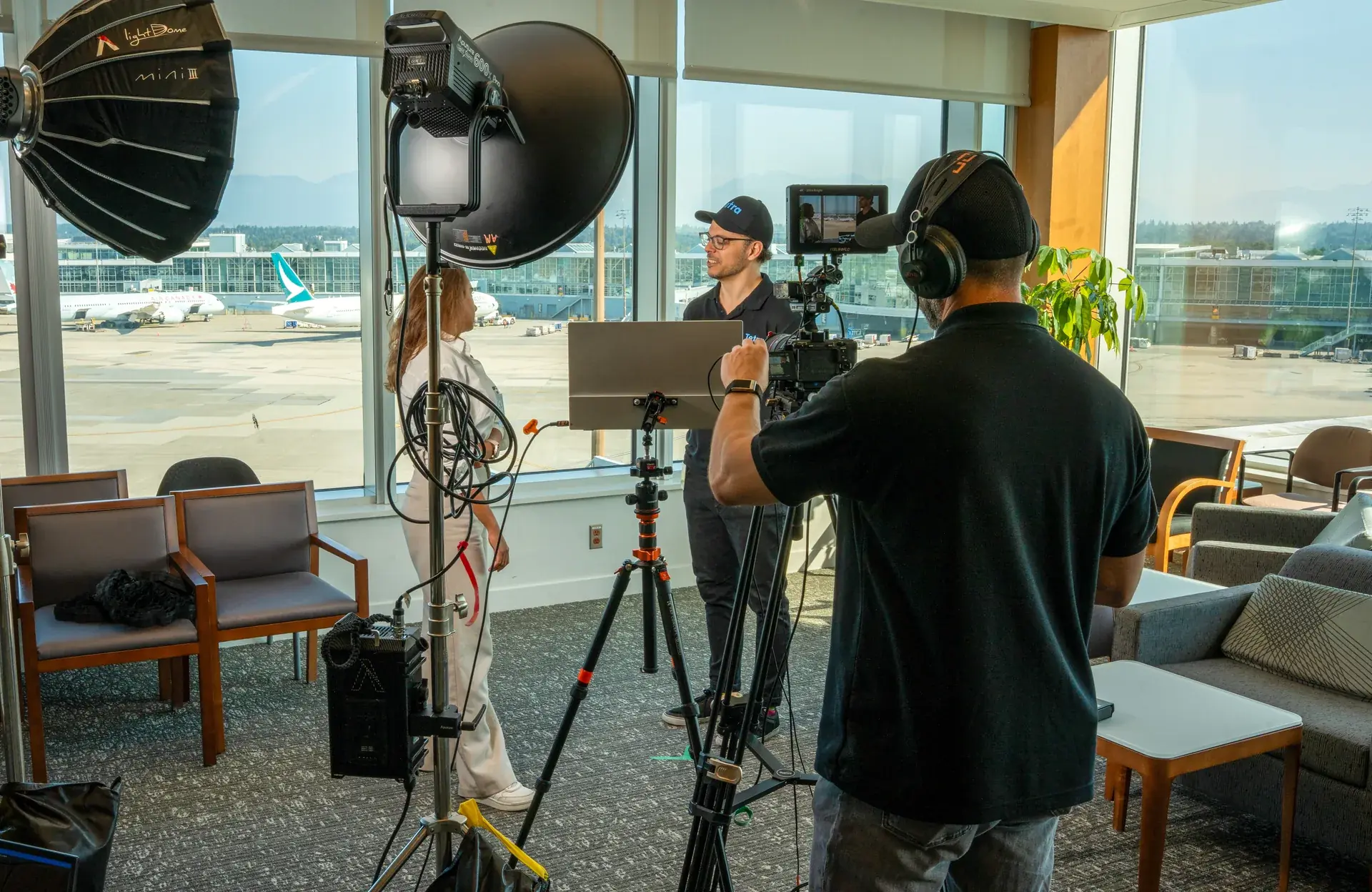
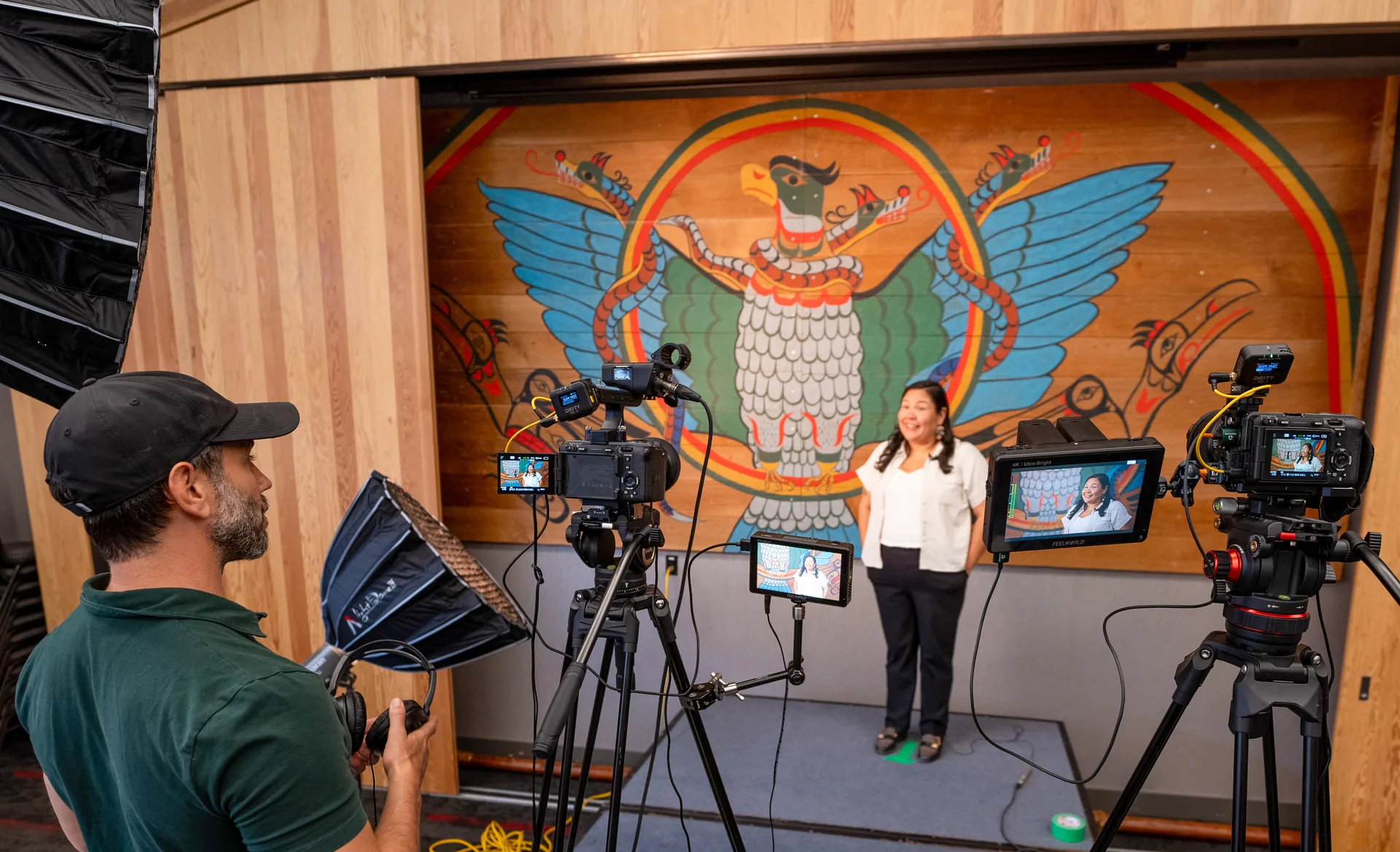
Audio and Video Accessibility Formats We Produce
Accessibility in video production covers a specific set of formats, each serving a different audience need. The requirement for any given project depends on the content type, the platform, and the applicable compliance standard.
Described video (DVS)
Audio description of on-screen visual content for viewers who are blind or have low vision. A described video script is written during post-production to narrate key visual elements in the pauses between dialogue or narration. Recorded by a professional narrator to broadcast standards, not auto-generated.
ASL-interpreted video
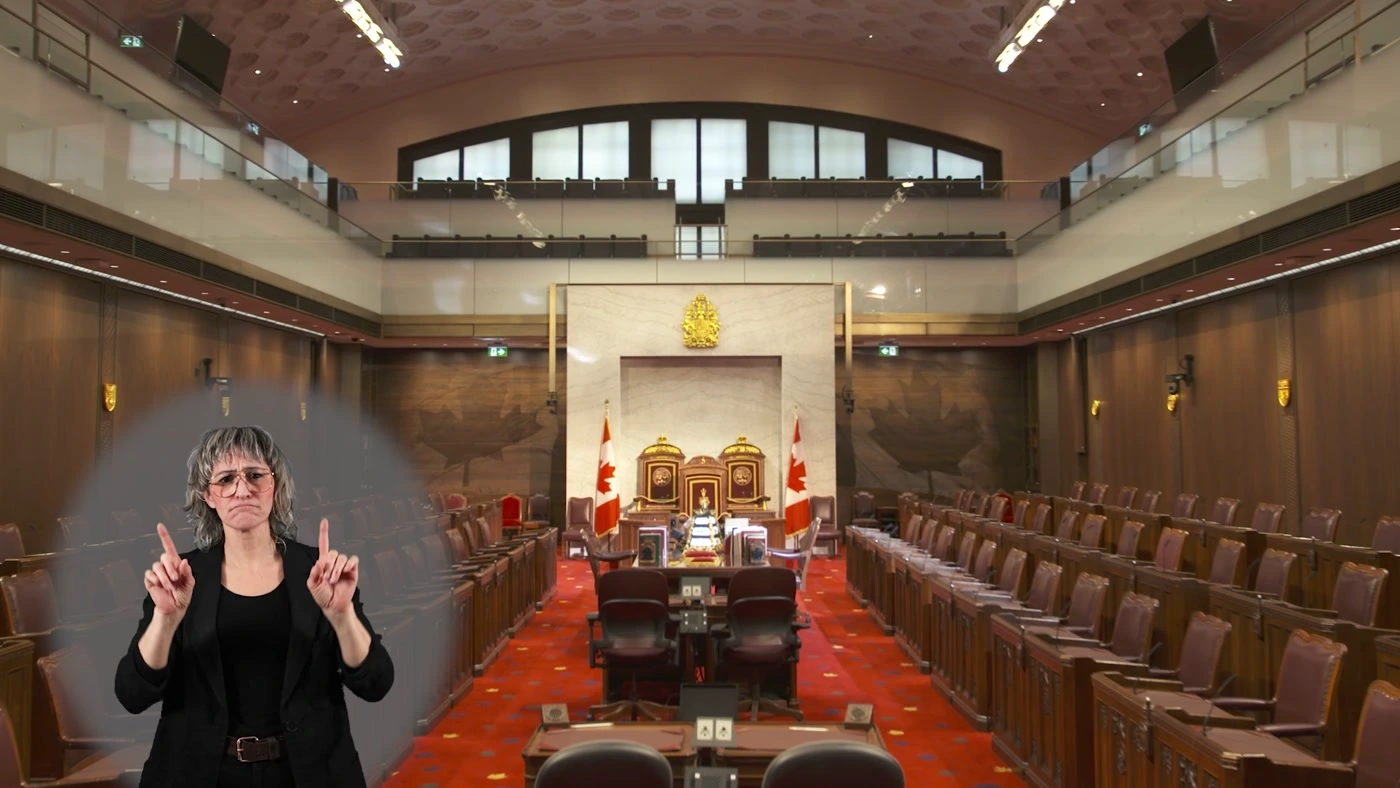
American Sign Language interpretation filmed as part of the production, either as a picture-in-picture overlay on the final video or as a separate interpreted version. The ASL interpreter is coordinated, directed, and filmed with the same production standards as the primary subject.
Closed captions (CC)
Accurate, timed caption files in SRT, VTT, and other required formats. Human-produced for accuracy and reviewed for caption quality, not auto-generated and published unchecked. Closed captions serve deaf and hard-of-hearing viewers and are required for WCAG 2.1 Level AA compliance.
Open captions
Captions burned directly into the video file for platforms or environments where closed caption support isn't technically available or can't be relied on.
Audio description tracks
Separate audio tracks with description layered into the natural pauses in the primary audio track, for DVS-compliant delivery to broadcast and distribution platforms with secondary audio programme support.
Accessible transcripts
Full text transcripts produced alongside video for WCAG 2.1 compliance. For content with both audio and visual information, descriptive transcripts that capture both.
Professional Accessible Videos We Produce


How We Create Accessible Video
The compliance landscape for accessible video in Canada involves several overlapping standards. Understanding which applies to a given organization's content is the first step in the production brief.
AODA (Accessibility for Ontarians with Disabilities Act)
Ontario's accessibility legislation requires organizations with 50 or more employees to make new web content accessible to WCAG 2.0 Level AA standards, and new video content accessible to those standards. For video, this means captions at minimum, and audio descriptions for pre-recorded video with meaningful visual content.
WCAG 2.1 Level AA
The Web Content Accessibility Guidelines establish the international standard for digital content accessibility. For video content, WCAG 2.1 Level AA requires captions for pre-recorded audio content, audio descriptions for pre-recorded video content, and accessible media players that support caption and audio description controls.
Federal government accessibility requirements
The Accessible Canada Act sets accessibility standards for federally regulated organizations and federal government departments. Video content produced for federal audiences is subject to both the Accessible Canada Act requirements and the Government of Canada's specific accessibility publishing standards.
The difference between compliant and non-compliant accessible video
Auto-generated captions, the kind YouTube or Teams produces by default, routinely contain errors that make them non-compliant and, more importantly, genuinely inaccessible to the people they're supposed to serve. Compliant accessible video requires human-reviewed captions, professionally recorded described video, and accessible formats that have been verified against the applicable standard before delivery.
Our Process
A simple, proven production process.
1
Pre-Production
2
Production
3
Post Production


How We Produce Accessible Video
Accessible video formats are most efficiently and accurately produced when they're planned from the brief, not requested after the primary production is delivered. Our process:
Accessibility brief
We confirm which formats are required, which compliance standards apply, and what the delivery specifications are before production begins. The brief stage is where we identify whether ASL interpretation needs to be filmed on the production day, whether described video scripting will happen in parallel with editing, and what caption format the client's platform requires.
Production planning
For productions requiring considerations for people with disabilities like visual impairment or who cannot hear - we deliver ASL interpretation, videos with captions, integrated descriptions, described audio, among other services to ensure the content is fully accessible.
Post-production
Captioning, described video recording, and audio description track production happen within the post-production pipeline, not as separate engagements after delivery. Version control and file organization maintain the relationship between primary deliverables and accessible format files throughout.
Compliance review
Accessible format files are reviewed against the applicable standard before delivery. Captions reviewed for accuracy and timing. Described video reviewed against the DVS script. Audio description tracks verified against the platform delivery specification.
Delivery
All accessible format files delivered alongside the primary video, organized and documented for the client's content management system.
A Production Agency with Sector Expertise That Goes Beyond the Camera
Financial Services
Healthcare
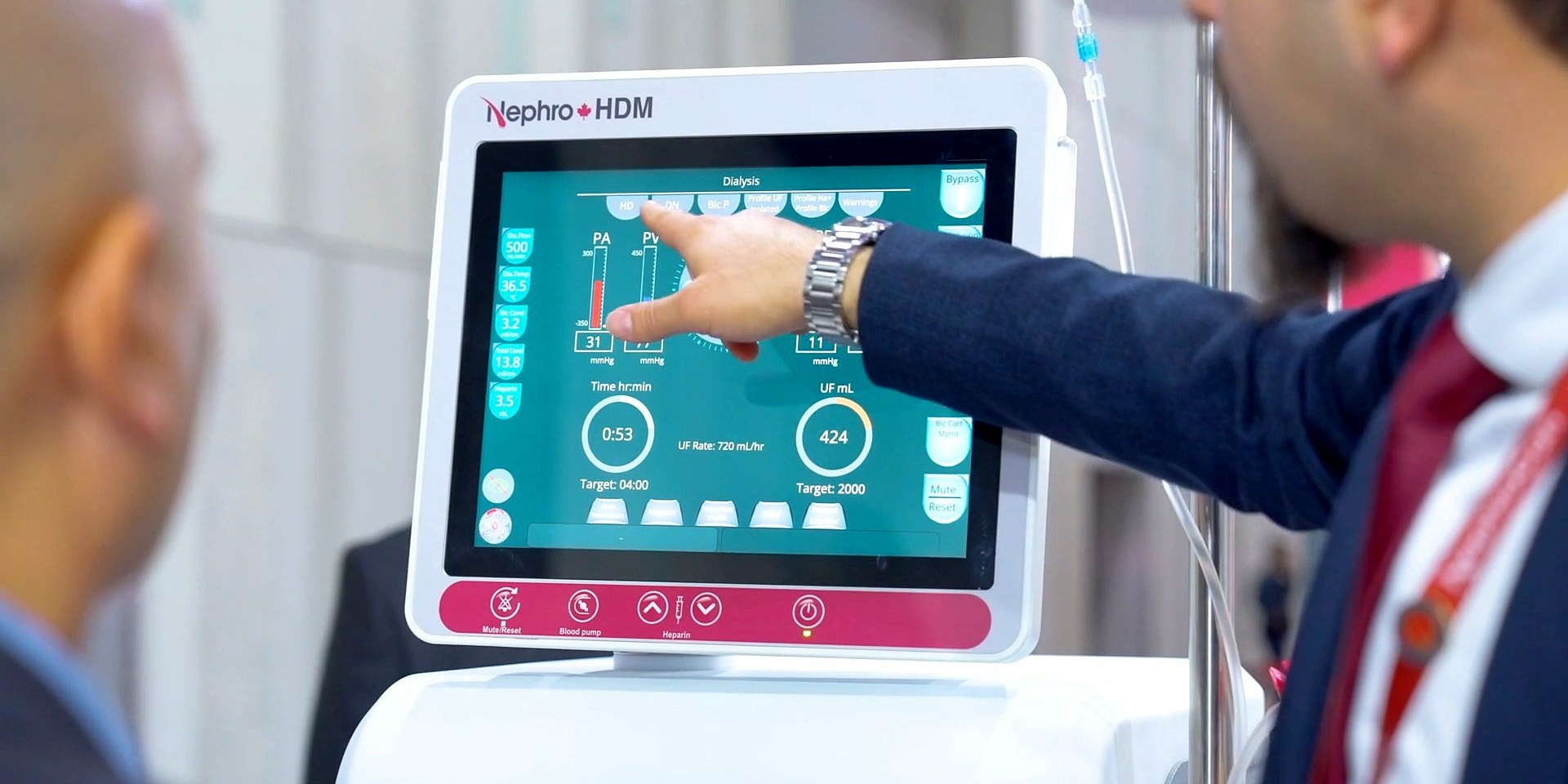
Video solutions that balance institutional credibility with genuine human connection. We produce staff alignment content, patient education videos, recruitment videos, and brand story content for healthcare organizations for Canadian and U.S-based healthcare orgs.
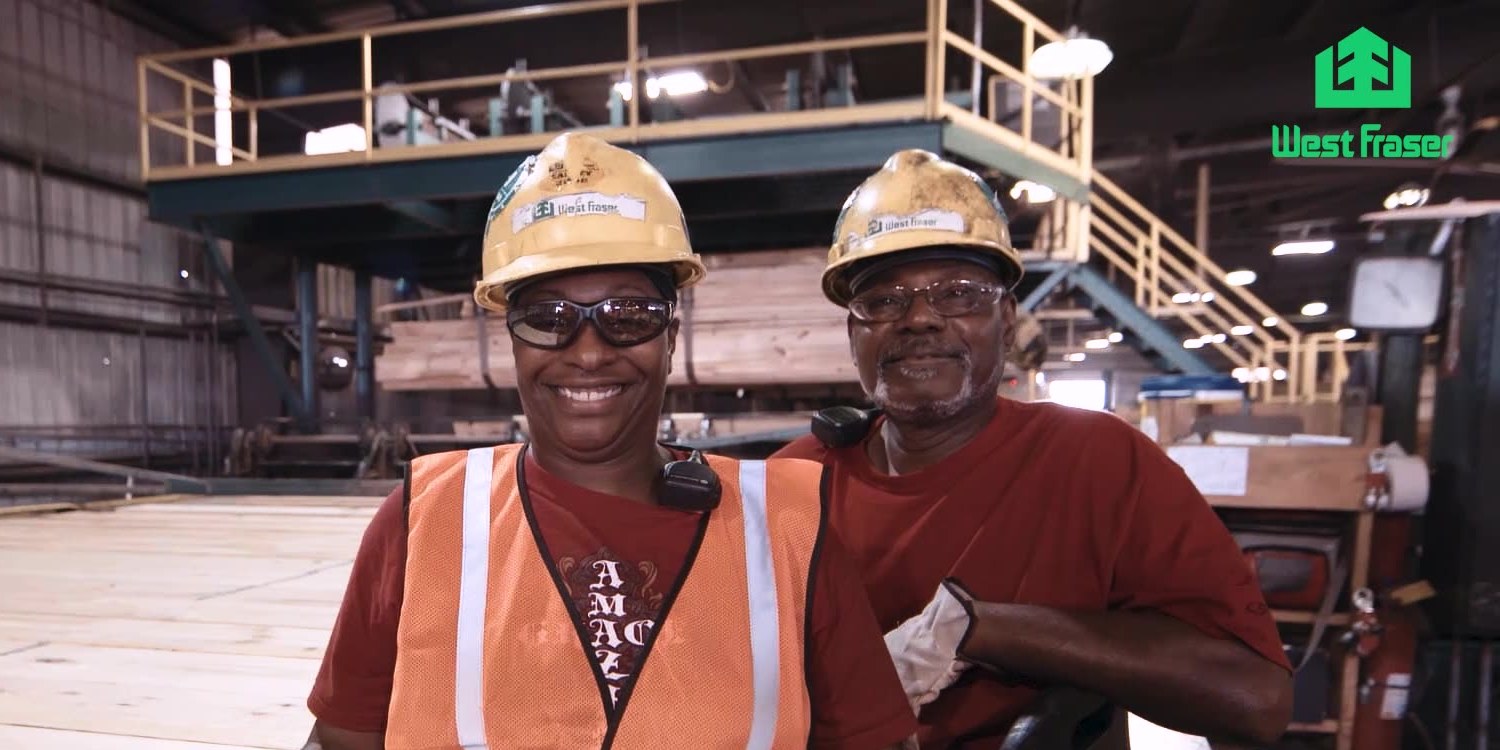
Industrial and Manufacturing
Public Sector and Government
Accessible, bilingual video for federal, provincial and municipal organizations, from the Library of Parliament’s ASL and LSQ tours to City of Richmond campaigns. We work through purchase orders and supplier rosters, with captions, described video and sign language when required.
Top-Rated Video Production


Trusted by top review platforms for exceptional quality

Client Spotlight
Library of Parliament | Federal Government
The Library of Parliament provides research, reference, and information services to Members of Parliament and the Senate. As a federal institution, all video content produced for the Library is subject to the Accessible Canada Act requirements and Government of Canada accessibility publishing standards.
Tetra Films produced video for the Library of Parliament that met mandatory accessible format requirements, including captions and described video, for a federal institution with the highest applicable accessibility standards.
Related Services
- Government Video Productionpublic sector production with compliance experience
- Multilingual Video Productionbilingual and official languages content
- Training Video Productionaccessible training content for regulated environments
- Corporate Video Productionenterprise video with accessible format options
FAQs
What's the difference between closed captions and described video?
Closed captions serve viewers who are deaf or hard of hearing, they provide a text version of the audio content, including dialogue, speaker identification, and relevant sound effects. Described video (DVS) serves viewers who are blind or have low vision, it provides an audio narration of key visual content that isn’t conveyed by the existing audio track. Most accessibility standards that require one also require the other for pre-recorded video content.
Does AODA require described video for all organizational video content?
AODA’s requirements for described video apply to pre-recorded video content that contains visual information meaningful to understanding the content. For organizations with 50 or more employees in Ontario, new web-published video produced after the applicable deadline is subject to WCAG 2.0 Level AA requirements, which include audio descriptions. The specific requirement depends on the content type, when it was produced, and how it’s published.
Can you produce ASL-interpreted video as part of a standard production engagement?
Yes. ASL interpretation is coordinated and filmed as part of the production day. We work with a qualified ASL interpreter, direct the interpretation session alongside the primary filming, and deliver the interpreted version as part of the standard deliverable set. For productions where ASL interpretation is required, we build it into the production plan from the brief stage.
How accurate are your closed captions compared to auto-generated captions?
Significantly more accurate. Auto-generated captions produced by YouTube, Teams, and similar platforms routinely misidentify technical terms, proper nouns, and speakers, and produce timing errors that make them difficult to follow. Our captions are produced from the final audio track and reviewed for accuracy, timing, and caption quality before delivery. For content subject to accessibility compliance requirements, human-reviewed captions are the standard, not auto-generated output.
What accessibility formats do federal government organizations require?
What Services do you provide to make audio and video media accessible?
We produce the full range of accessible formats: closed captions and transcripts for viewers who are deaf or hard of hearing, descriptive transcripts that capture both audio content and important visual details for users who rely on screen readers, described video with narration of key visual elements for viewers with visual impairments, audio description tracks layered into the primary audio, and ASL interpretation filmed as part of the production. For contexts where a media player with caption support isn’t available, we produce open captions burned directly into the video file. All captions are human-reviewed, not auto-generated ; accuracy matters for viewers who cannot hear the audio, including in noisy environments where captions are the only way to follow the content.
Let Our Team Help you Make Accessible Video Content
Ready to discuss your next accessible video project? Reach out for a free assessment or get a quote. Contact Tetra Films
Request a Quote
We Are About Results
1500+
videos produced
75+
5 star reviews
500+
clients served
15+
year track record